
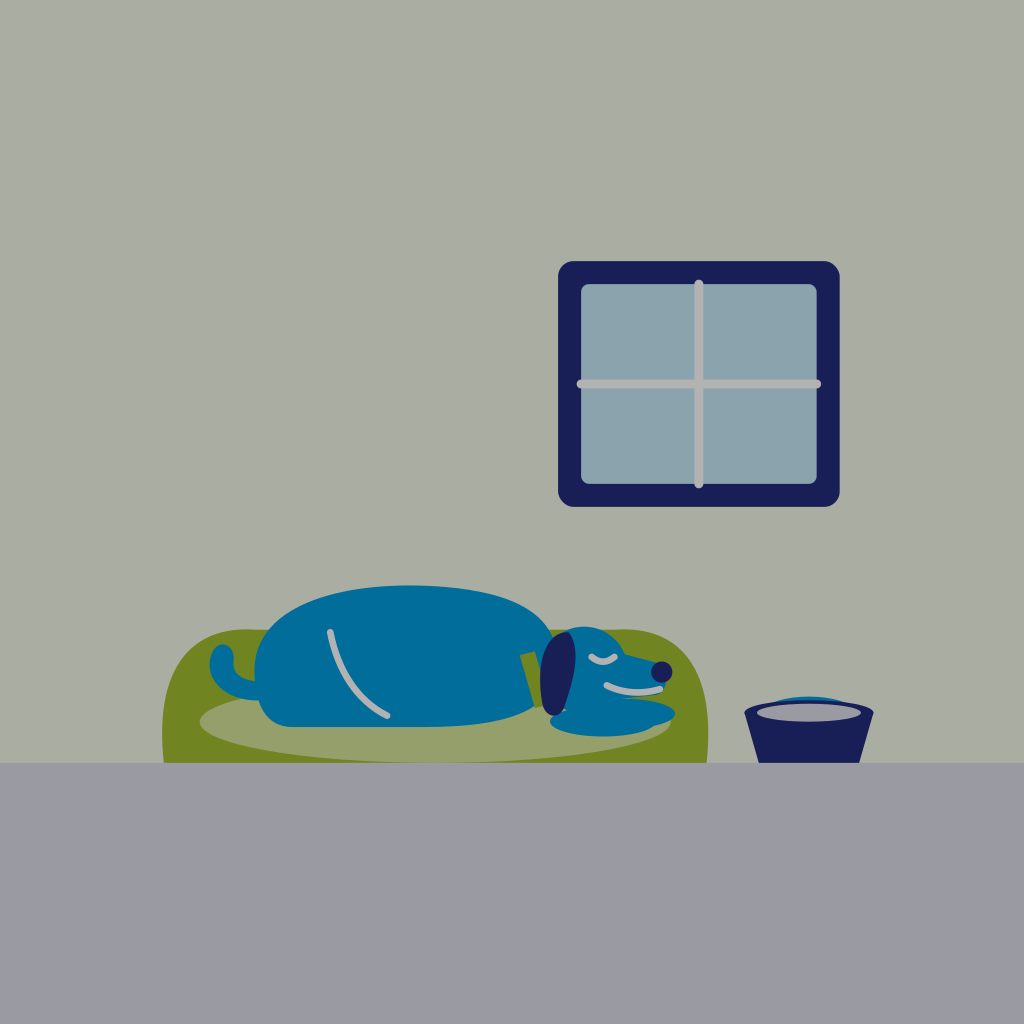
After adoption, give the animal peace and quiet and regular mealtimes. Give it time to get used to its new home. A new home, new smells and new people can be a big change for an animal – do not rush contact and let it explore its surroundings at its own pace.
The first weeks with a dog
On the first day, an adopted dog may be very excited, withdrawn, sleepy or unsure. Give it time to get used to you and its new place.
When you get home
Prepare a bed or a quiet spot, bowls, a lead and a harness or collar in advance, as the shelter recommends. At first, limit visitors and outings to crowded places.
Safety comes first.
In the first weeks, use well-fitted walking equipment. In a new place, a dog may be frightened by something you do not even notice.
Introduce a calm routine
Walks, meals and rest at similar times help the dog predict its day. Leave the dog a place where nobody disturbs it. Sleep and time to settle down are just as important as activity.
The first walks
At first, choose shorter and quieter routes. Let the dog sniff – for many dogs this is a natural way of gathering information and lowering tension. Make walks more demanding gradually instead of taking the dog to crowded places straight away.
Touch, play and visitors
Not every dog wants to be stroked, cuddled or played with straight away. Watch for the dog turning its head away, moving away, freezing, licking its nose or trying to leave. Let the dog walk away if it does not want contact. Ask visitors to ignore the dog at first and let it decide for itself about contact.
When difficult behaviour appears
Problems with being left alone, destroying things, barking, reactions to other dogs or guarding resources call for finding the cause. Punishment usually does not solve the root of the problem and may increase stress. If the behaviour puts anyone’s safety at risk or quickly gets worse, consult a vet and a specialist who uses welfare-based methods.
Health and a visit to the vet
At the adoption, you will receive information about the animal’s health and the treatments it has had. Keep the records. If you notice lethargy, persistent vomiting or diarrhoea, breathing problems, sudden pain or other worrying symptoms – contact a vet.
The first weeks with a cat
A cat may spend its first hours, and sometimes days, in a hiding place. This does not mean the adoption has failed. In a new environment, being able to withdraw is an important part of feeling safe.
Begin with just one quiet room
At first, a limited space is easier to explore than a whole flat. Put a litter tray, water, food, a bed, a scratching post and hiding places there. When the cat uses the litter tray and bowls freely and starts exploring its surroundings, you can gradually open up more rooms.
Do not force the cat out of the carrier
Put the carrier in the prepared room, open it and let the cat decide when to come out. For a while, the carrier itself can serve as a safe hiding place. Do not check on the cat every few minutes and do not pull it out from under the bed if it has hidden there out of stress.
Litter tray, food and water
The litter tray should be in a quiet, easy-to-reach place, away from the bowls. In a larger home, more than one litter tray works well. Put water in several places. If you change the food or litter, do it gradually – changing home, food and litter all at once can put extra strain on a cat.
Secure windows and the balcony
Tilted-open windows can be dangerous for a cat. The balcony and any windows the cat can reach should be secured so that it cannot fall out or get stuck. Do this before the adoption, not after the cat first tries to climb onto the windowsill.
Play and daily activity
Short play sessions that imitate hunting help release tension. A wand toy or a toy moved away from your hands is safer than teaching the cat to hunt hands. Let the cat end the sequence by “catching” the toy.
Meeting other animals
Do not start with a face-to-face meeting in one room. It is usually safer to begin by keeping the spaces separate, exchanging scents and gradually building neutral associations. Adjust the pace of the introduction to how the animals react.