
Plan your trip in advance: the rabies vaccination and the documents for travel to another EU country have to be sorted out several weeks before you leave, and in the car your dog must be safely secured. Below are the most important rules for travelling in Poland and to other EU countries.
In the car
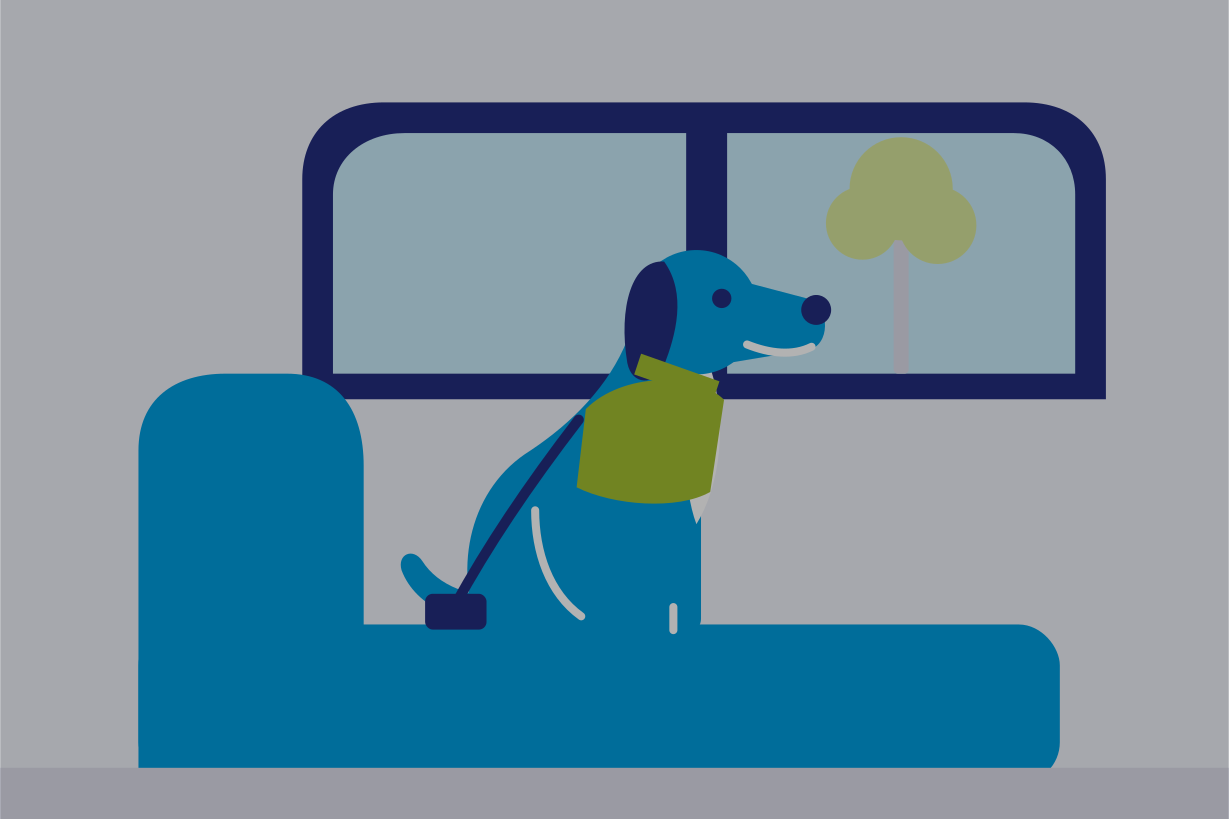
Secure your dog for the journey: with a harness attached to the seat belt, in a carrier or behind a guard in the boot. The law does not say exactly how a dog should be carried, but the driver must not use the vehicle in a way that endangers safety (Article 60(1)(1) of the Road Traffic Act (Prawo o ruchu drogowym)). A loose dog can block the view, distract the driver and get under the pedals.
Carry your dog in the back of the vehicle and make sure there is fresh air: turn on the air conditioning or open the windows slightly. Plan stops so that your dog can have a drink and stretch its legs.
Do not leave your dog in a parked car.
When it is 22 °C outside, it can be 47 °C inside the car after just an hour. Shade and a slightly open window do not change this.
Documents for travel to another EU country
Since 22 April 2026, the rules for the non-commercial movement of dogs, cats and ferrets in the EU have been set by Commission Delegated Regulation (EU) 2026/131, which replaced Regulation (EU) No 576/2013. Your dog can travel to another EU country if it:
-
Travels with its owner and under the owner’s direct responsibility, with no more than 5 animals in one vehicle.
-
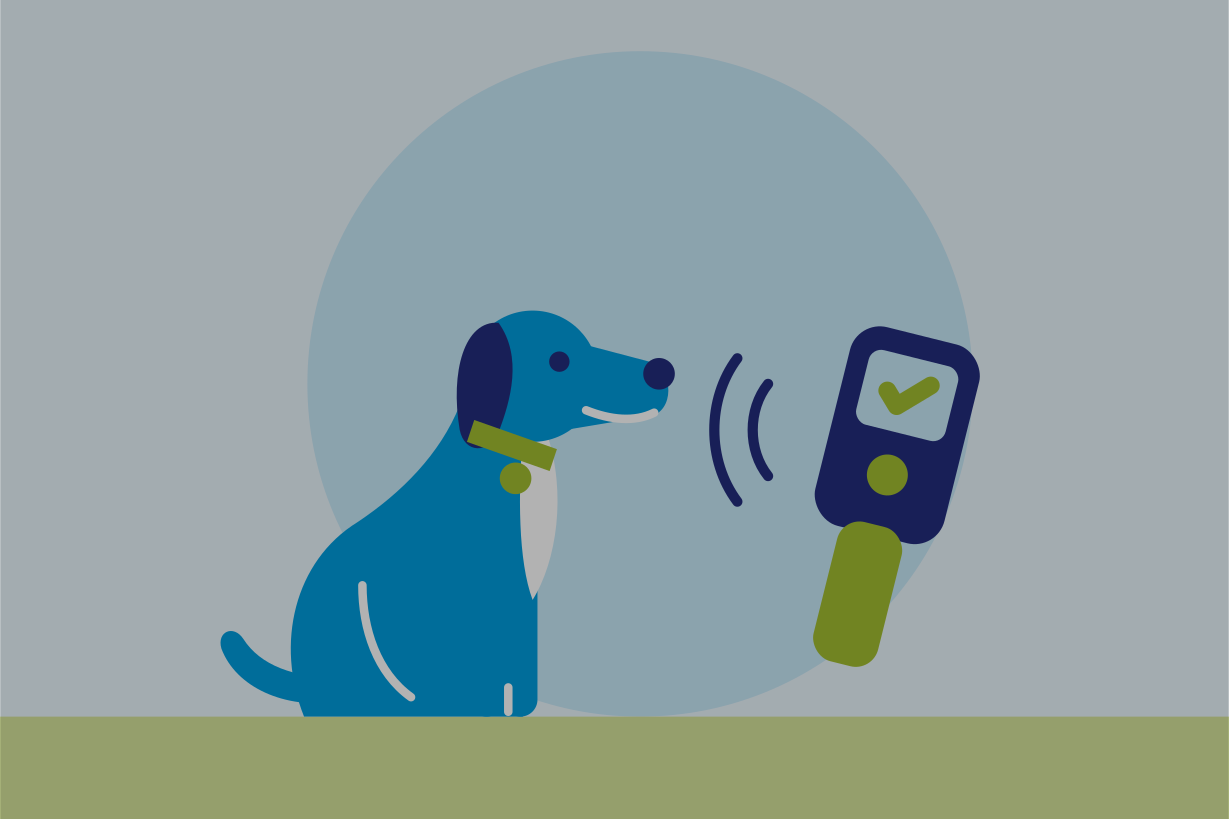
Has a microchip (a clearly legible tattoo made before 3 July 2011 is also accepted).
-
Is vaccinated against rabies: the vaccination was given after the microchip was implanted, when the dog was at least 12 weeks old, and it becomes valid no earlier than 21 days after the primary vaccination is completed (booster vaccinations must be given while the previous one is still valid).
-

Has a pet passport issued by an authorised vet, with the microchip number and the rabies vaccination entered in it.
-

Has been treated against the tapeworm Echinococcus multilocularis before entering Finland, Ireland, Malta, Northern Ireland or Norway: the vet gives the treatment no earlier than 120 hours and no later than 24 hours before entry and confirms it in the passport.
Passports issued in the earlier format remain valid. Registers of vets authorised to issue passports are kept by the regional veterinary councils, and lists of vets in each voivodeship are on the website of the National Veterinary Chamber (Krajowa Izba Lekarsko-Weterynaryjna). More about the passport: Pet passport at GIW ↗.
Countries have their own additional requirements, for example restrictions on dog breeds considered aggressive, and the rules can change, so check them with the General Veterinary Inspectorate (Główny Inspektorat Weterynarii, GIW) before you go (Travelling with a pet in the EU ↗). Outside the EU, the entry rules are set by the destination country, and return requirements apply when you come back (Travelling from Poland outside the EU ↗).
Prepare in advance
- Plan the rabies vaccination: at least 21 days must pass between the primary vaccination and departure. A puppy must be at least 12 weeks old on the day of vaccination, so it can only travel abroad once 21 days have passed since that vaccination.
- Book a vet appointment a few weeks before you leave: a health check, vaccination, the passport entry and protection against ticks (Ticks in dogs and cats).
- Update the details linked to the microchip and attach an ID tag with your phone number to your dog’s collar (Microchip and contact details).
- Take the passport and veterinary records, water and a bowl.