
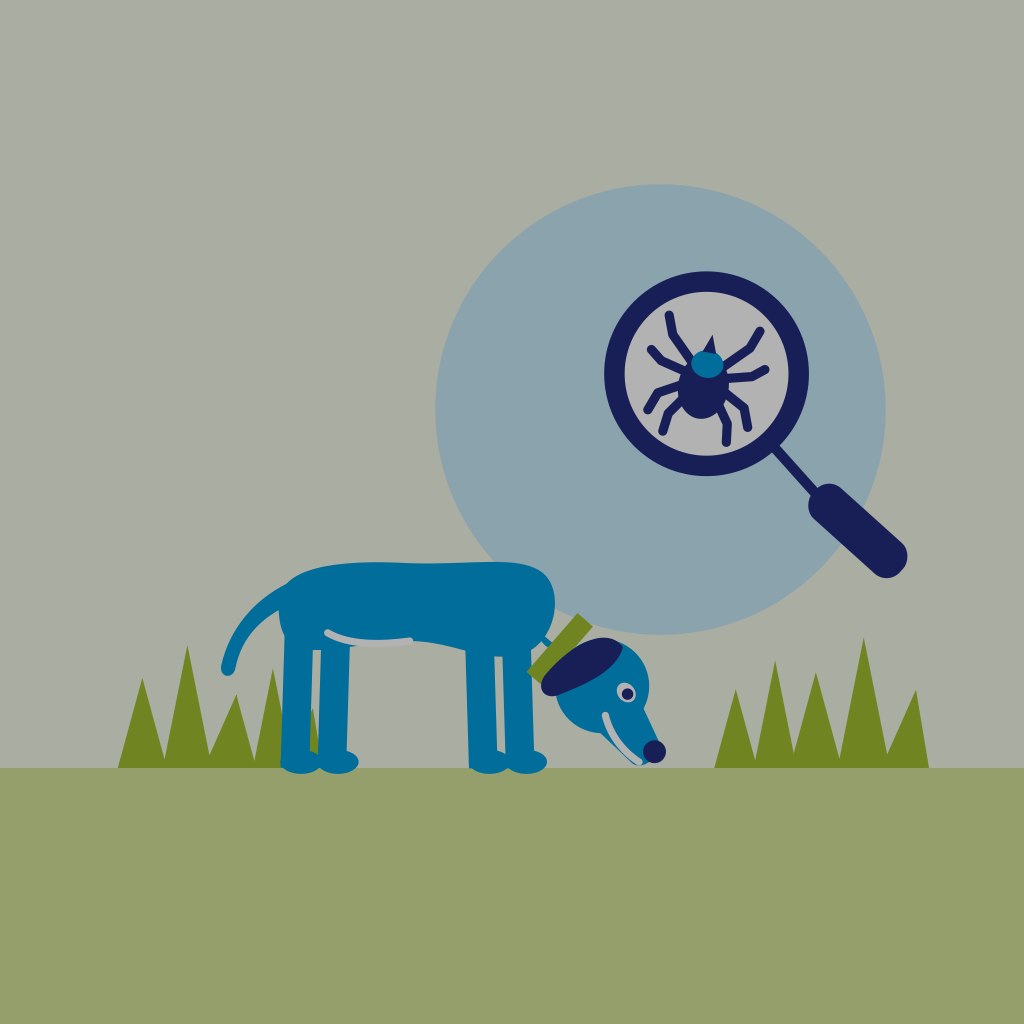
Ticks in Poland are most active in March–June and August–October, but in recent years ticks have attacked dogs even in January and February. Agree on protection with your vet, and check your animal after every walk.
Prevention
Prevention works better than removing ticks from the coat. Your vet will choose a product suited to the animal and its way of life: tick treatments come as collars, spot-on drops, tablets or shampoos. Use only registered veterinary products and keep to the dates of the next doses given in the leaflet.
Protection should cover the whole time when ticks are active. Because they can also be active in winter, ask your vet whether an animal that regularly goes outdoors needs protection all year round.
Do not use products meant for dogs on a cat. Some of them are toxic to cats, so give your cat only products meant for cats and recommended by the vet. Cats seem to fall ill because of ticks less often than dogs, but they also need to be checked for ticks.
Ticks wait on grass and bushes up to a height of about a metre and do not fall from trees. If you can, limit the time your dog spends in tall grass and undergrowth, especially at the peak of the season. If you are travelling with your dog to an area where there are ticks, agree on protection with your vet before you go (Travelling with a dog in Poland and the EU).
Checking after a walk
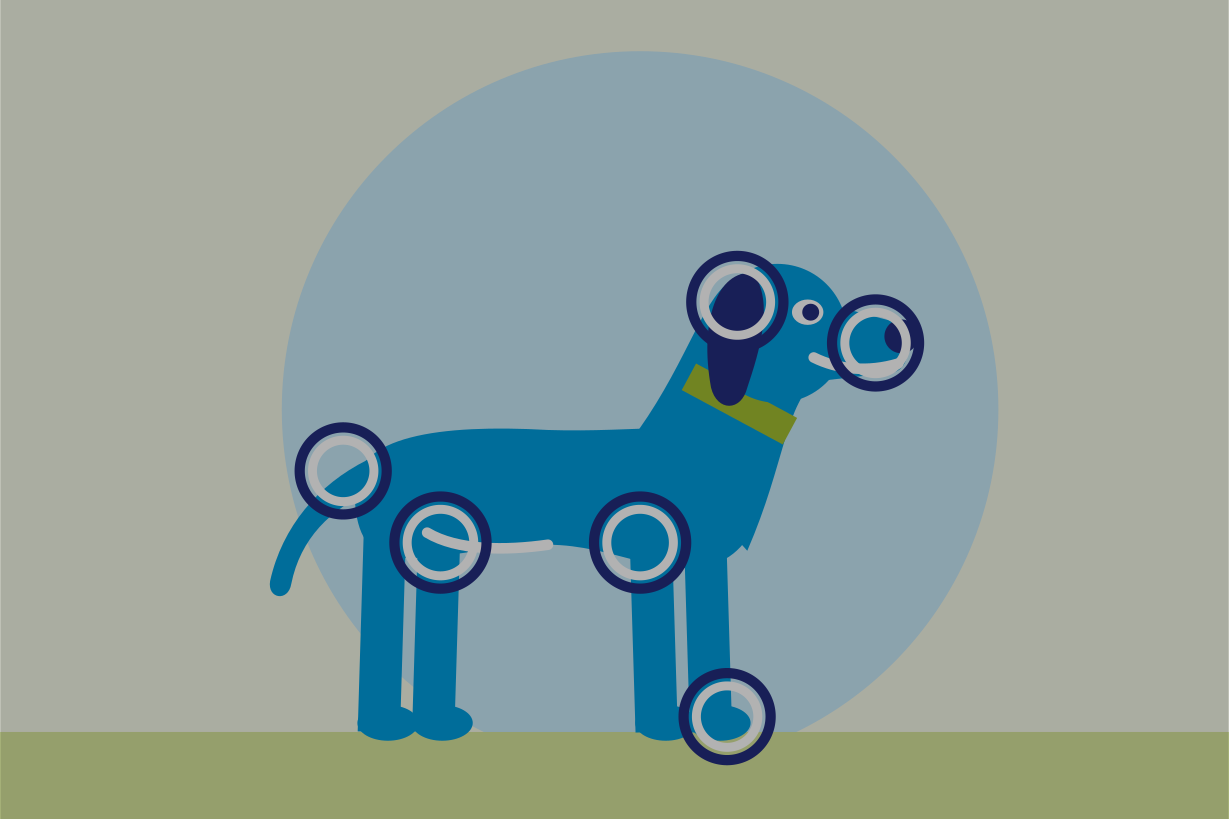
After every walk, look over your animal and feel it carefully. Ticks most often attach in places with delicate skin: on the muzzle, near the ears, in the armpits, in the groin, between the toes and around the anus. On long-haired dogs a tick is easy to miss, so run your fingers through the coat right down to the skin.
A tick usually bites into the skin only after a few hours, so a quick check makes it easier to remove. A tick can come into your home on the coat, so check yourself and your children too.
How to remove a tick
Remove a tick as soon as you notice it: quick removal reduces the risk of passing on germs.
-

Have ready fine-tipped tweezers or a special tick removal tool.
-
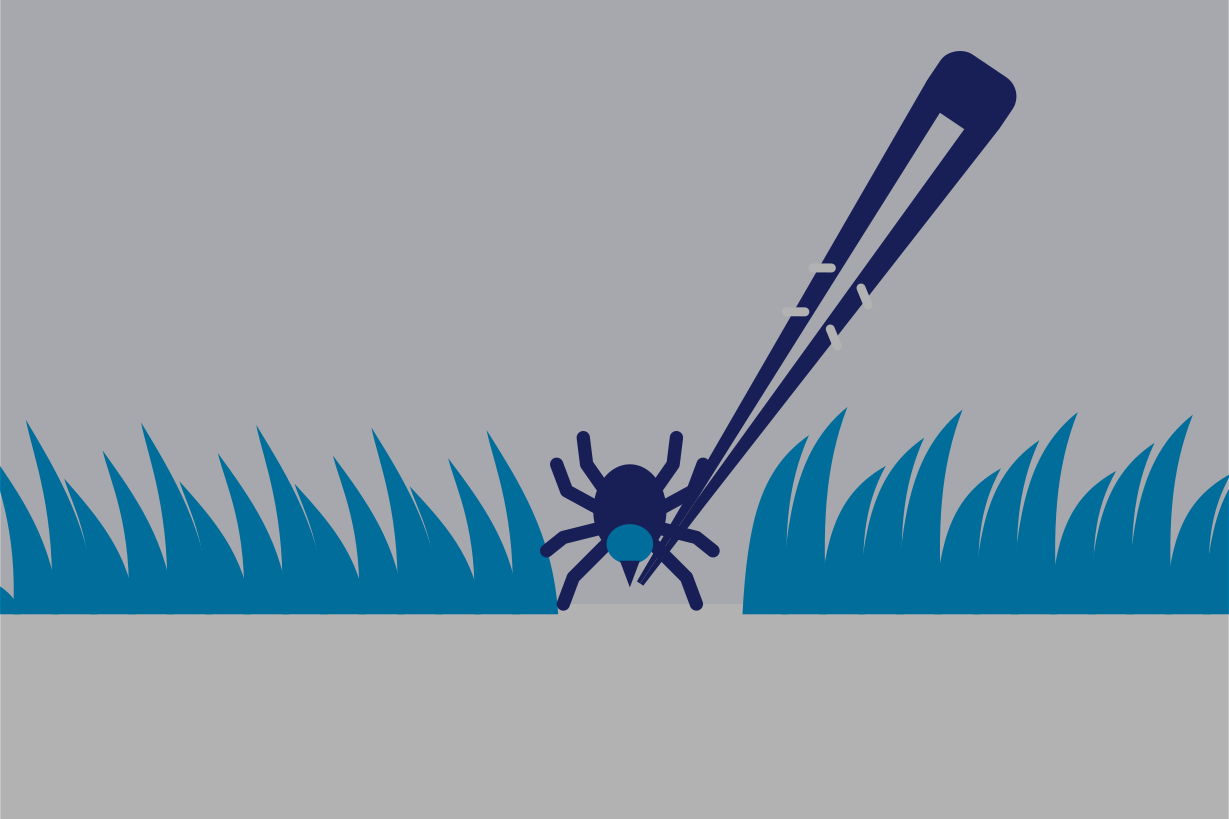
Grip the tick as close to the animal’s skin as possible.
-
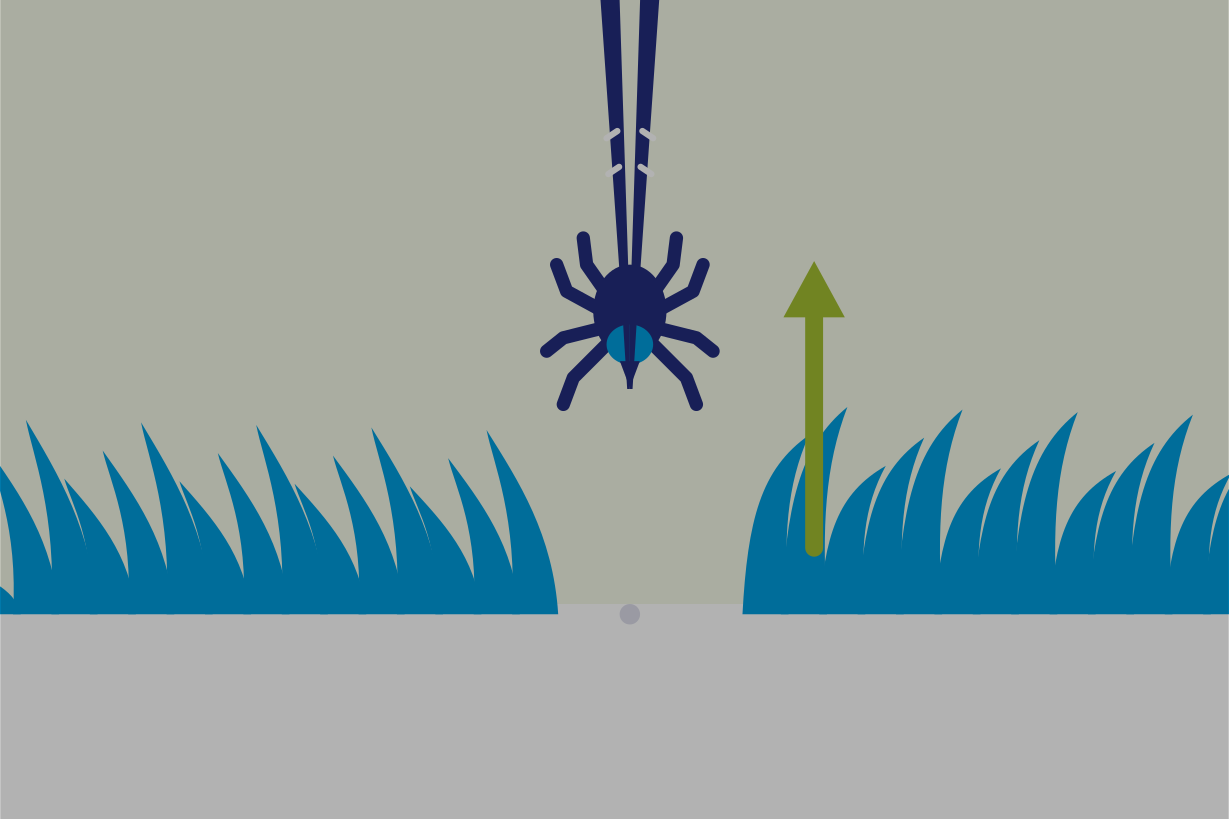
Pull it out with the tweezers in one firm movement, without twisting. Use a tick removal tool as its instructions say.
-
Clean the bite site.
-
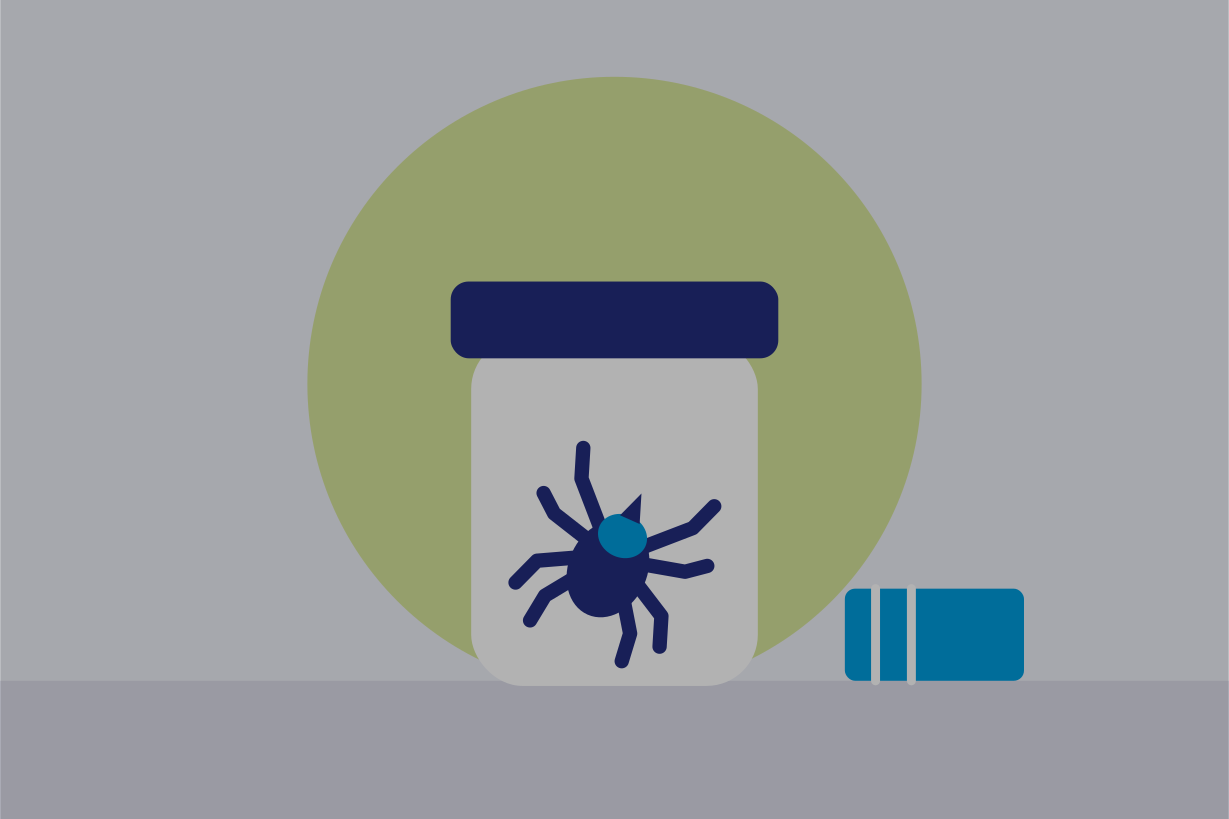
Get rid of the tick so that it cannot attach to another animal or to a person.
Do not squeeze the tick.
When disturbed, it spits the contents of its gut into the animal’s blood, and germs can get in with them. Do not use oil, alcohol or ether to remove it.
A tick removed by force may leave part of its mouthparts in the skin, which can lead to infection or an abscess. If you cannot remove the tick or part of it has stayed in the skin, go to a vet clinic.
When to go to the vet
Go to a vet clinic straight away if you cannot remove the tick, if part of it has stayed in the skin, or if the bite site is red, hot, swollen or oozing pus.
Watch your animal over the following weeks. Tick-borne diseases cause non-specific symptoms: lethargy, fever, loss of appetite, pale gums, dark urine, and also lameness and swollen joints. If you notice any of them after contact with a tick, contact your vet.
The ornate dog tick, which carries canine babesiosis, is found across a large part of Poland, including the West Pomeranian Voivodeship. A vet can diagnose the acute form of babesiosis at the first visit, and treatment starts as soon as the diagnosis is confirmed. Babesiosis is rare in cats. It shows as drowsiness, loss of appetite, weakness and diarrhoea.