
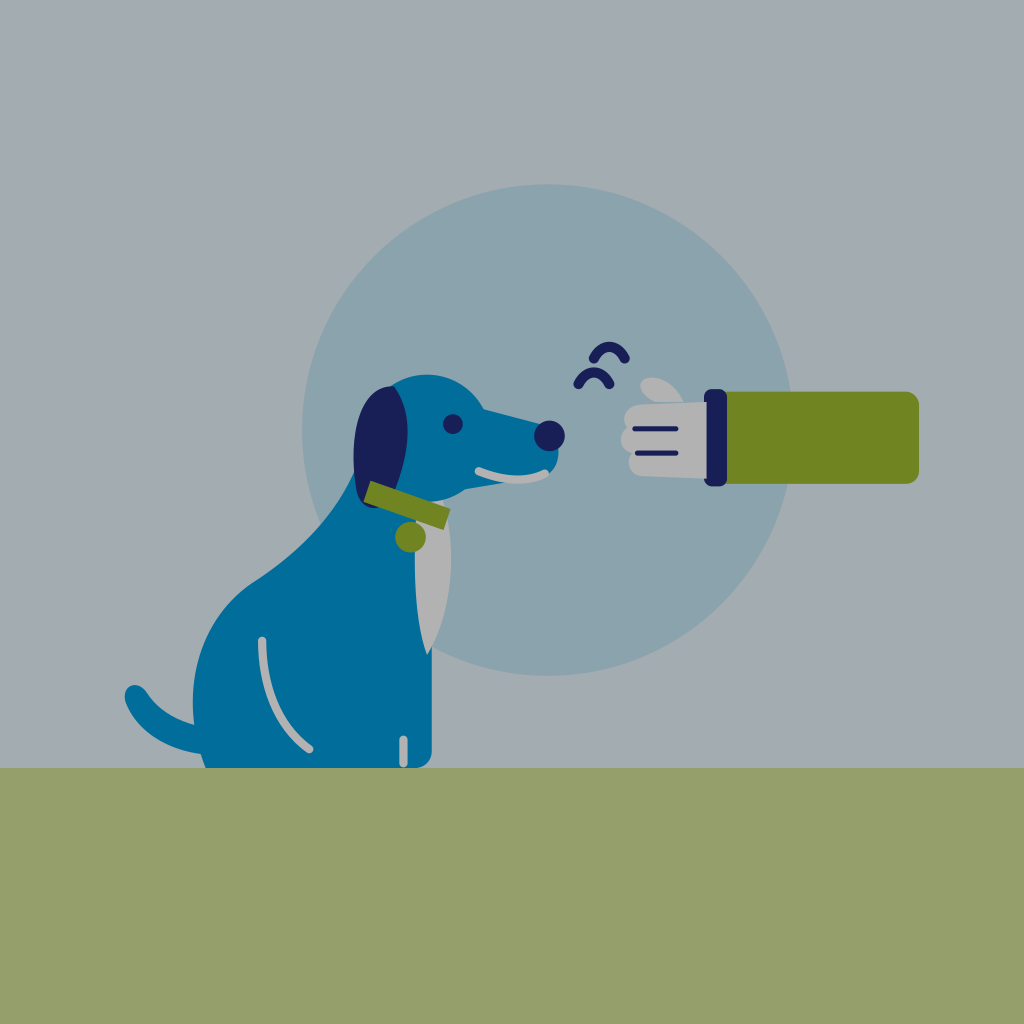
Even a calm dog that knows a child well may bite if it feels uneasy. Children are bitten more often than adults, and their injuries tend to be more serious, so an adult is responsible for safety when a child and a dog are together.
Rules for adults
Never leave them unsupervised.
Do not leave a child alone with a dog, even if it is the family dog and the child knows it well. Stay close enough and pay enough attention to react in time.
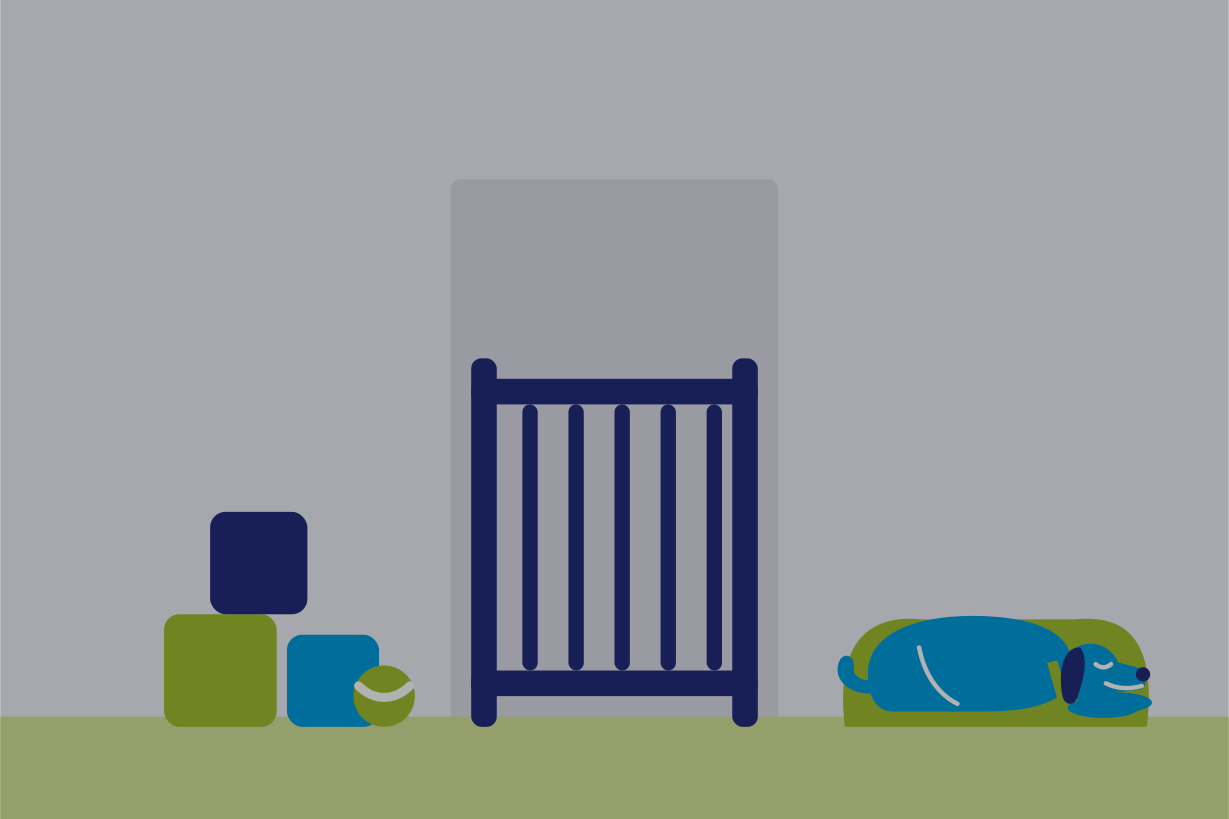
- When you cannot supervise, keep the child and the dog apart, for example with a gate or a door.
- Give the dog a place where nobody disturbs it, and teach the child not to go there.
- Do not force the dog to interact with the child. Let it decide for itself whether it wants to be close, and let it walk away when it has had enough.
- Do not let a child climb on the dog, pull its ears or tail, hug it against its will, take its food or toys, chase it or shout at it.
- Teach the child to recognise the signals a dog uses to ask to be left alone (described below).
- When the dog walks away, hides or growls, stop the contact and let it go. Do not punish it for growling: it is a warning.
Rules for children
Short rules an adult can go through with a child:
- Ask the owner if you can stroke their dog. Let the dog see you and sniff you before you hold out your hand.
- Stroke gently. Do not hug or kiss the dog: let it choose whether it wants to be close.
- Do not disturb a dog when it is eating, sleeping, playing with its toy, looking after puppies or lying in its bed.
- Do not shout or run around a dog.
- Do not go up to a dog you do not know, even if it looks friendly.
- When a strange dog comes up to you, stand still, stay calm, do not look it in the eye and do not run away.
-
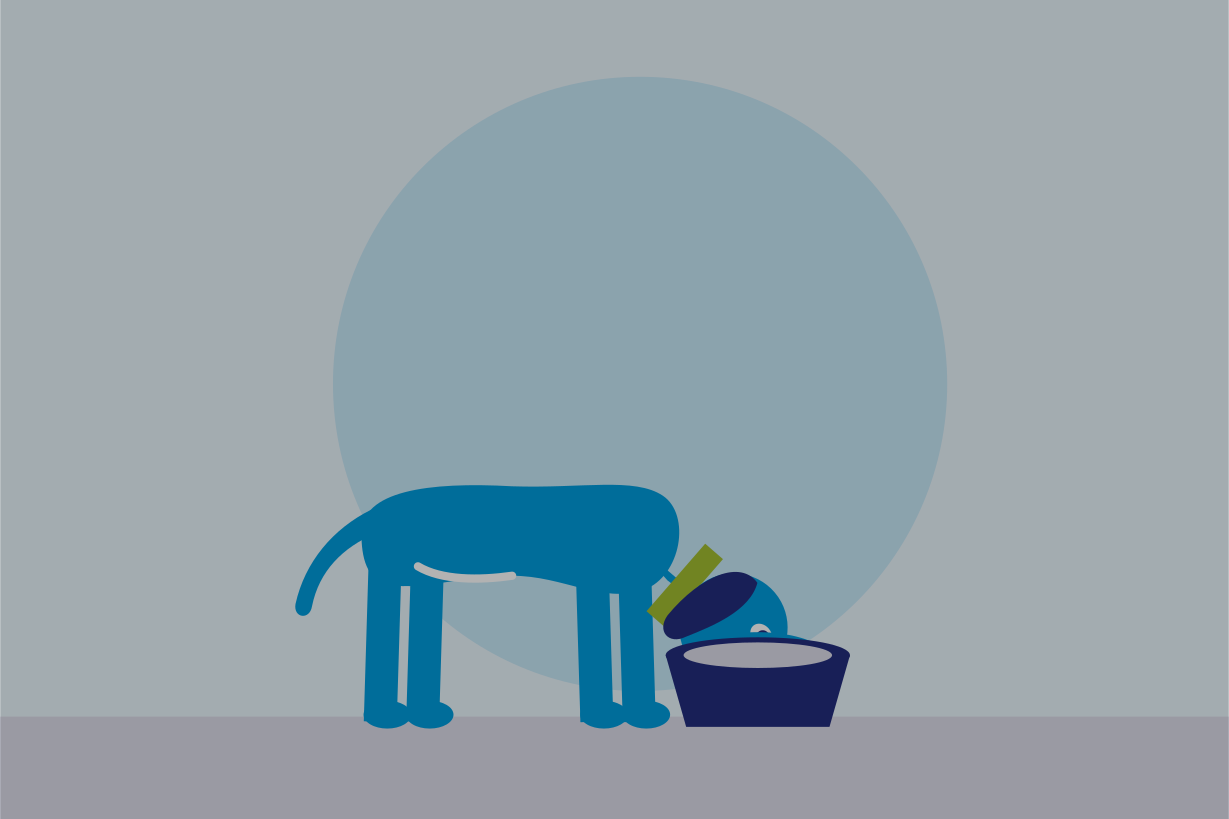
When it is eating.
-
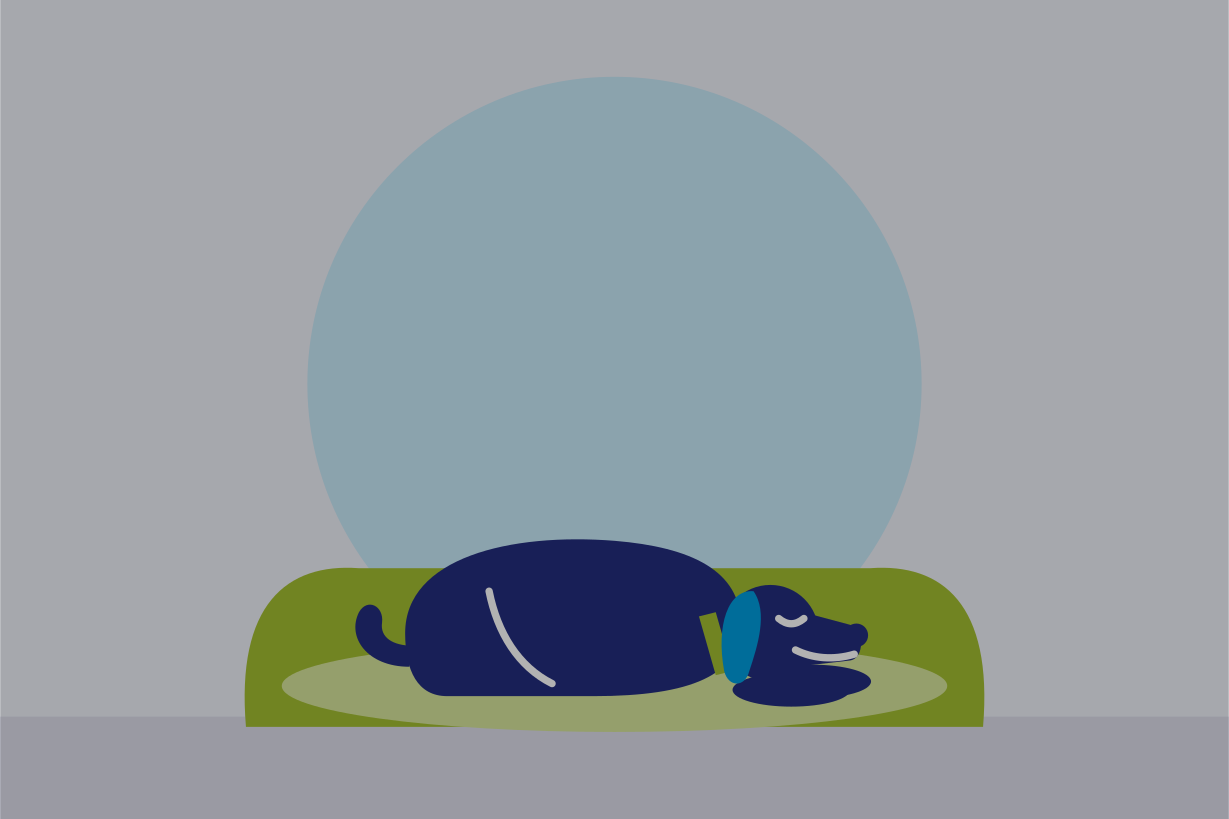
When it is sleeping.
-
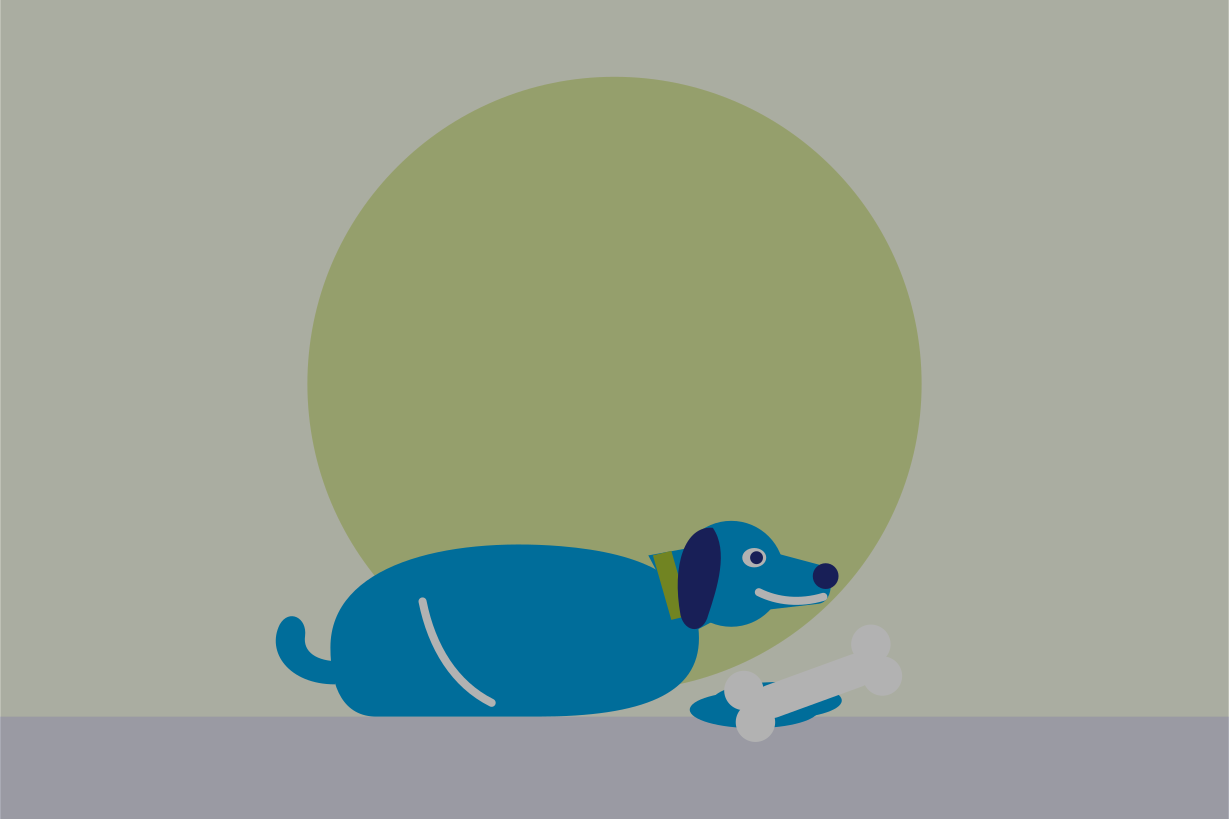
When it is playing with its toy.
-
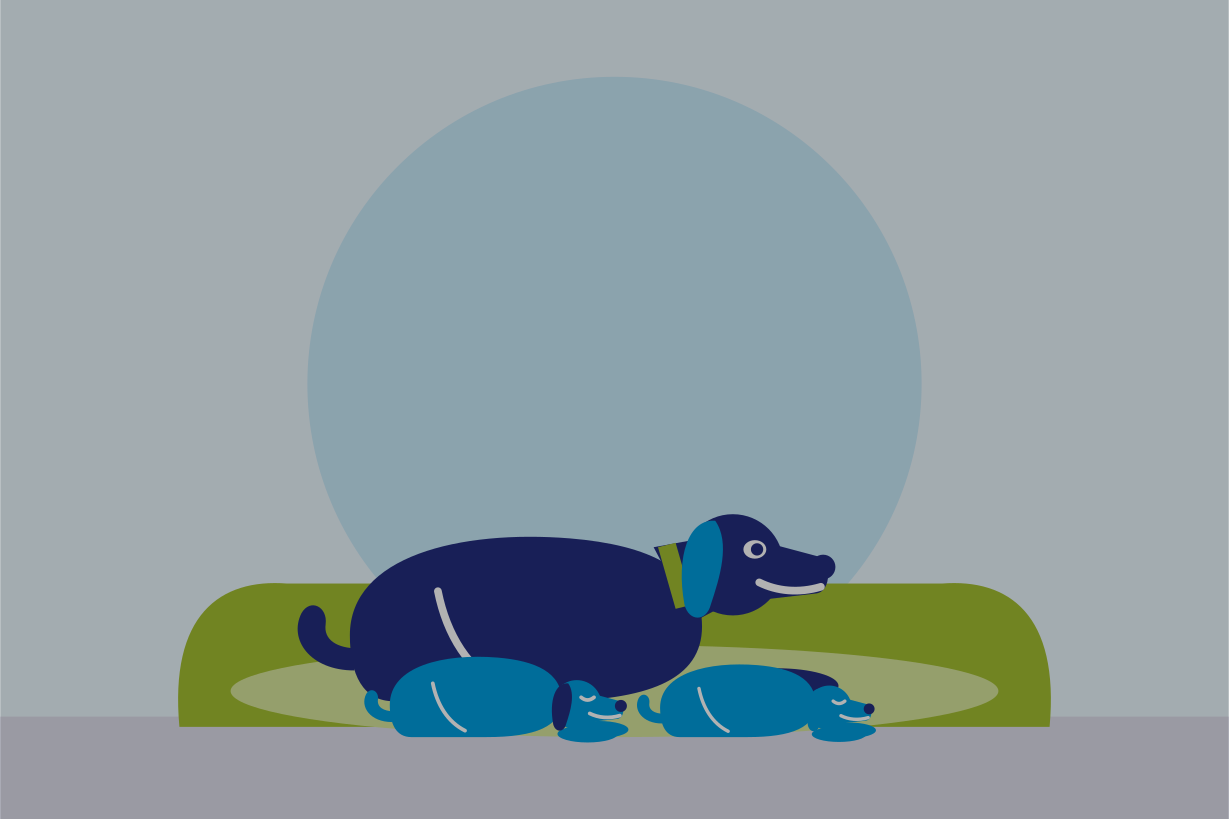
When it is looking after puppies.
Signs that a dog wants to be left alone
A dog usually gives a warning before it bites. Watch for:
-
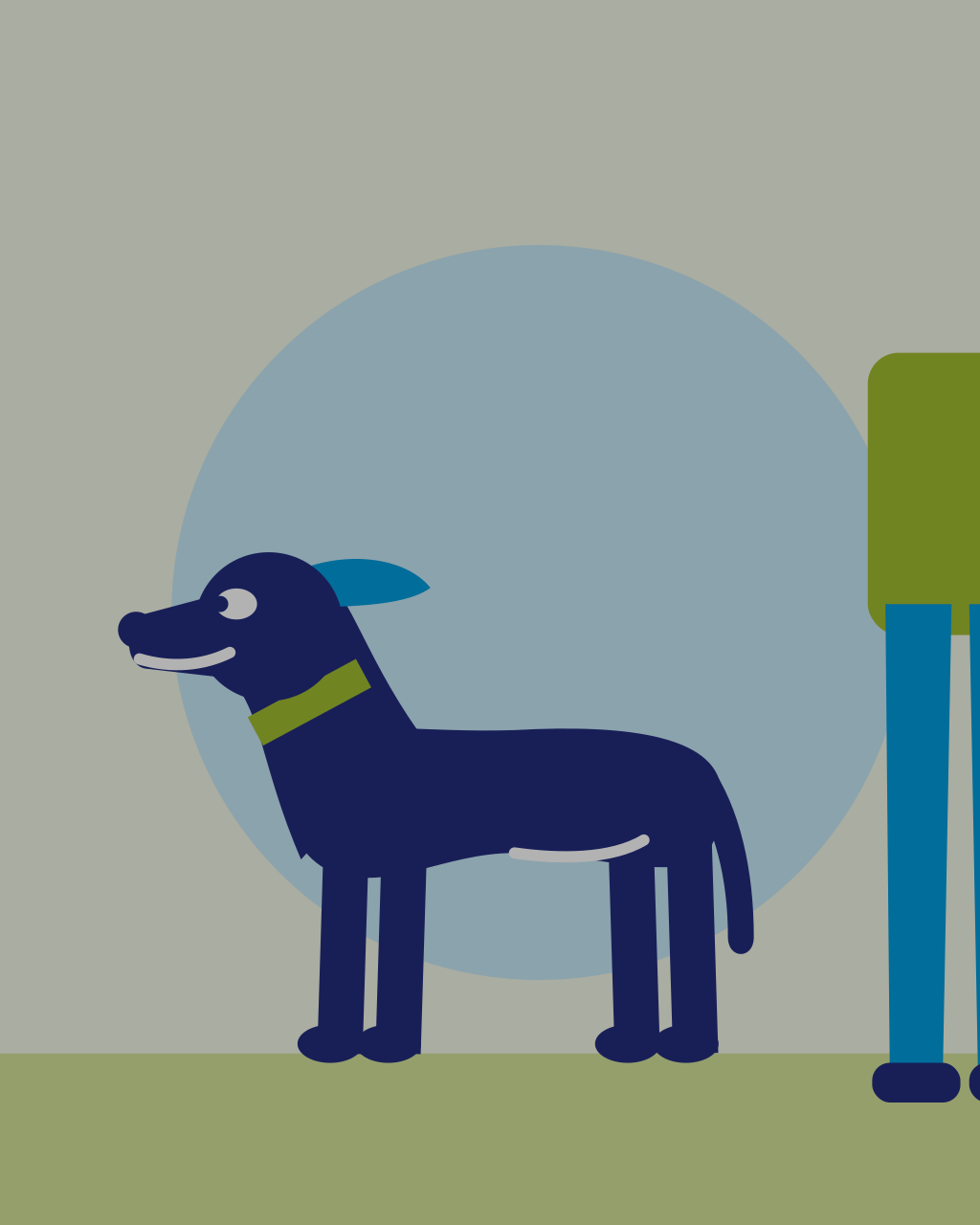
Turning away its head or body.
-
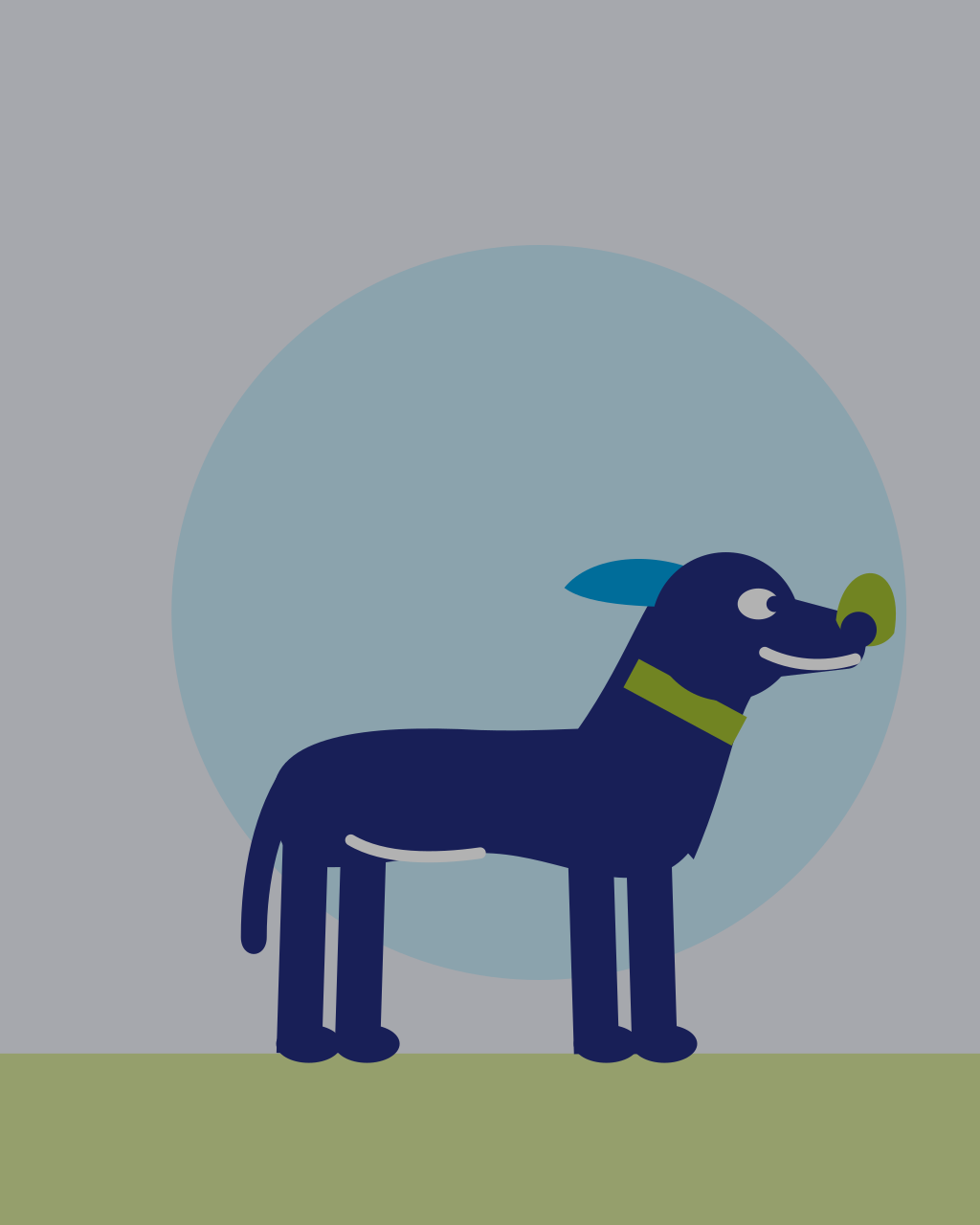
Licking its lips and yawning when it is not eating and is not tired.
-
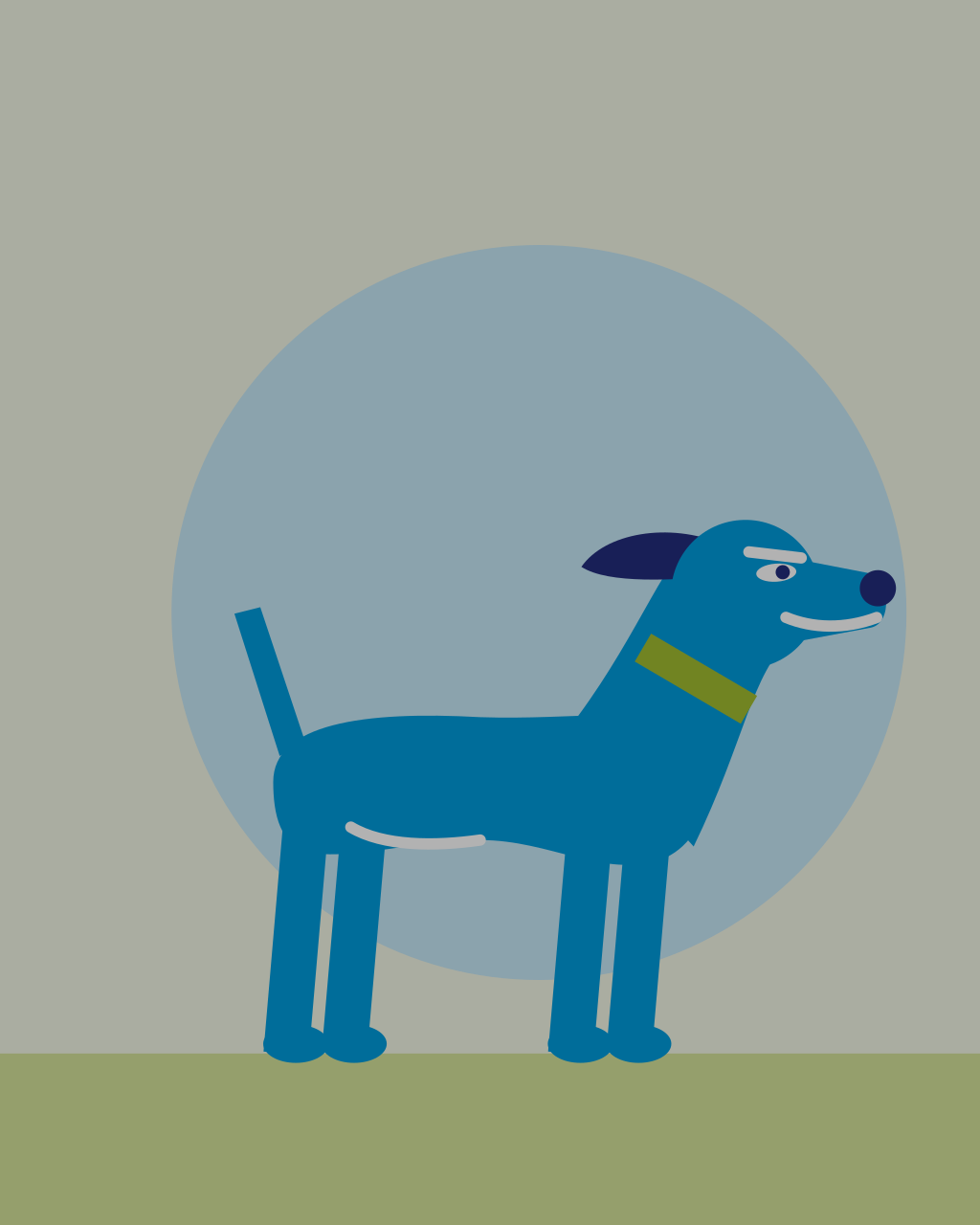
Freezing and a tense body.
-
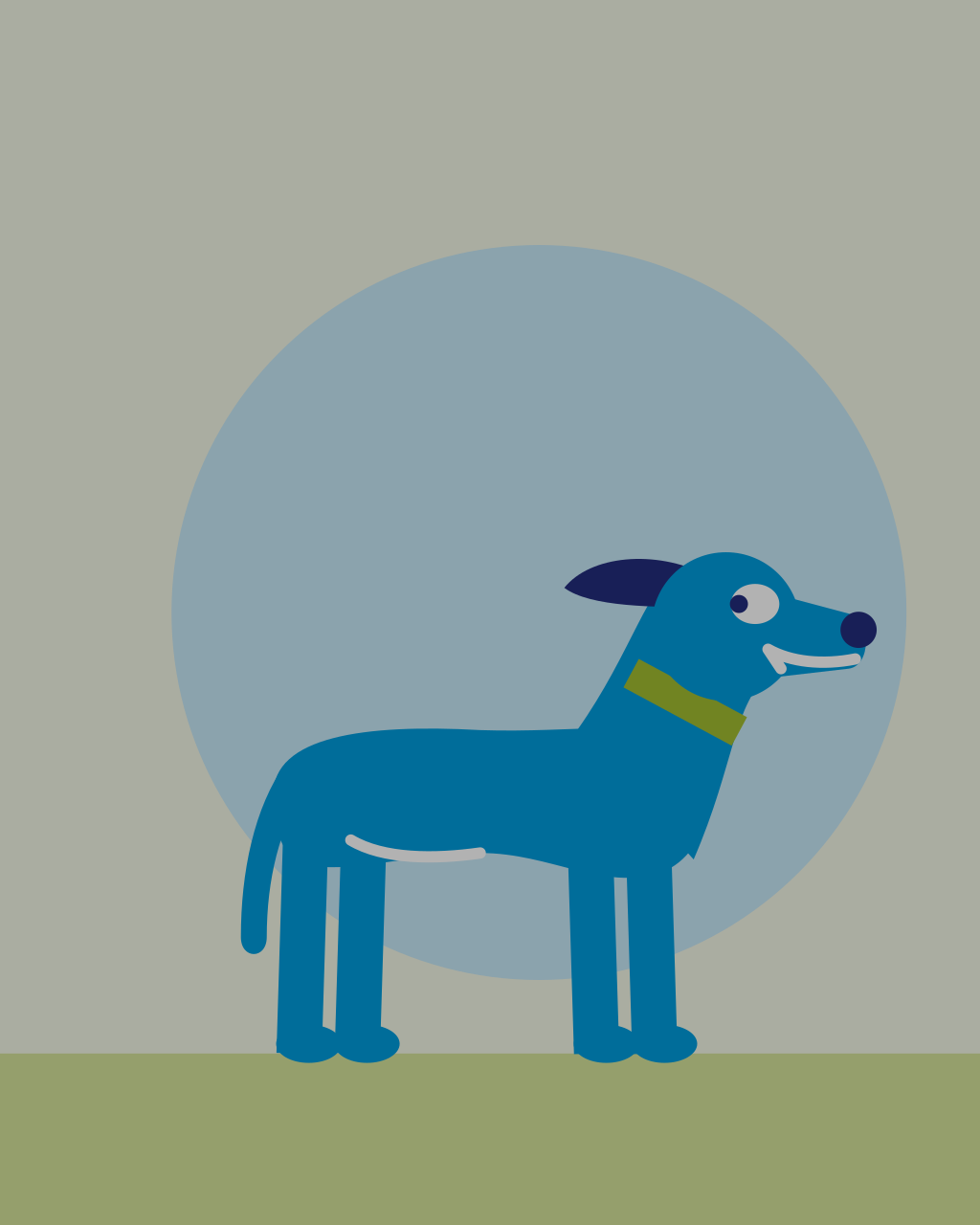
Showing the whites of its eyes and ears pinned back.
-
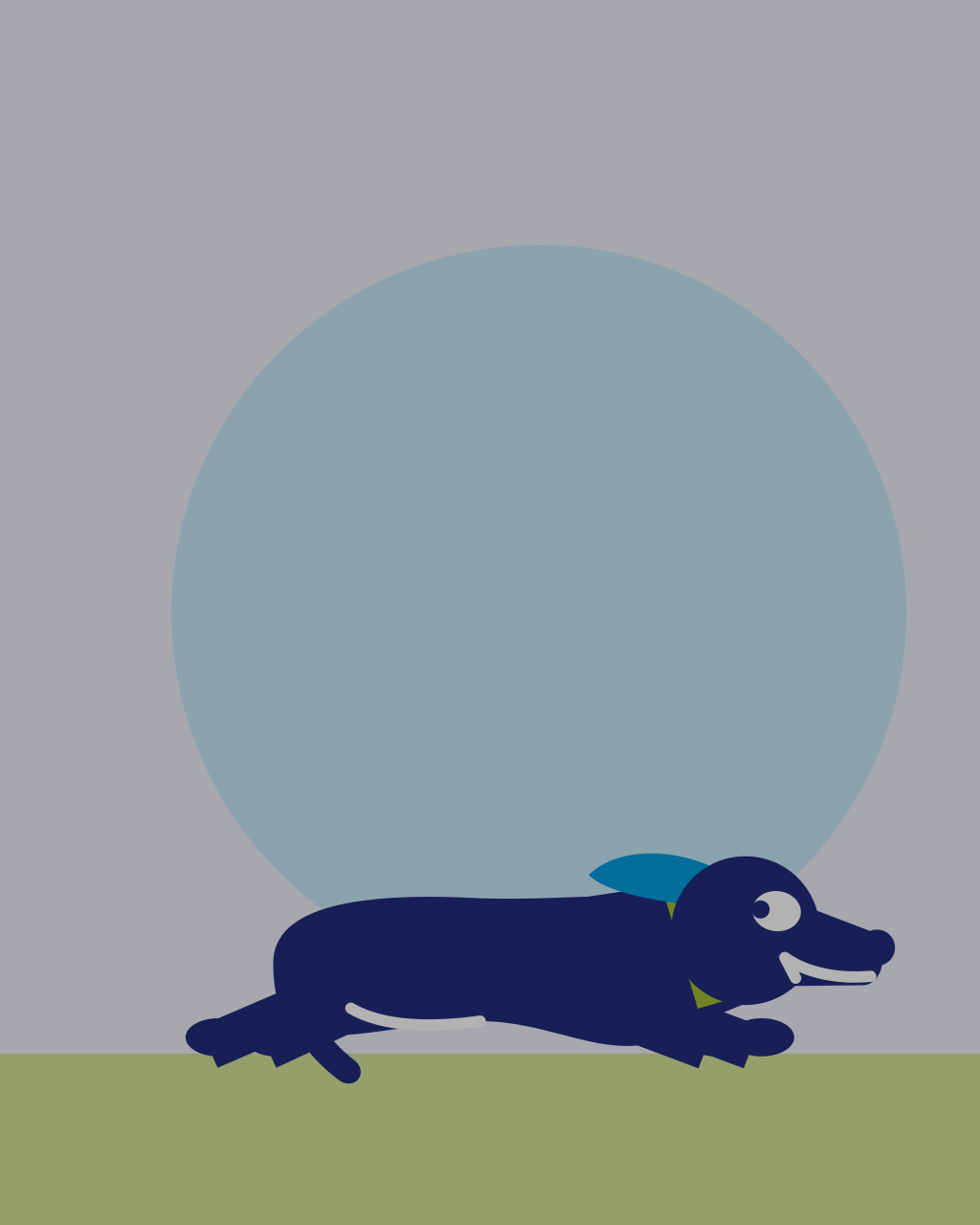
A lowered or tucked tail, cowering, hiding.
-
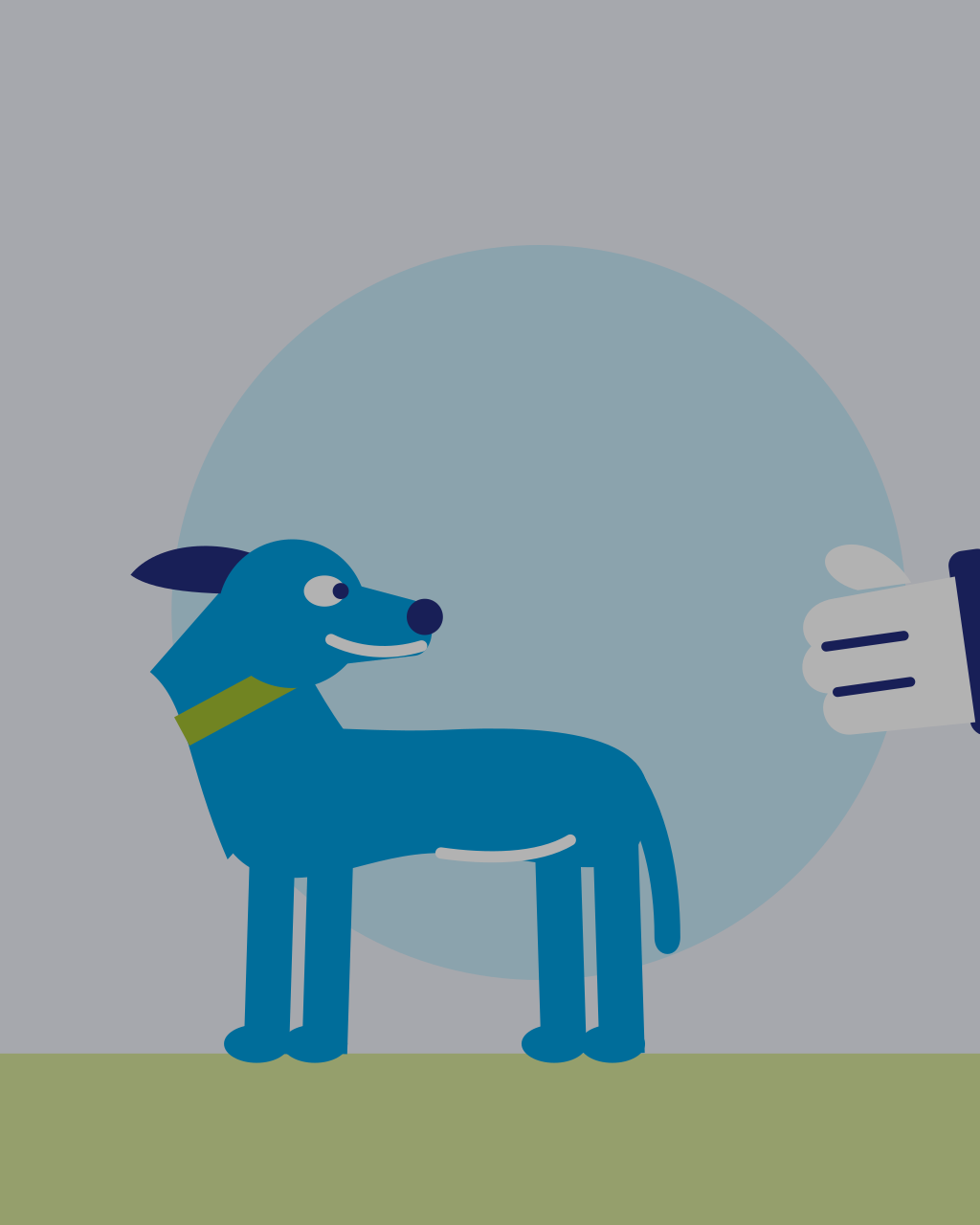
Avoiding touch and walking away.
-
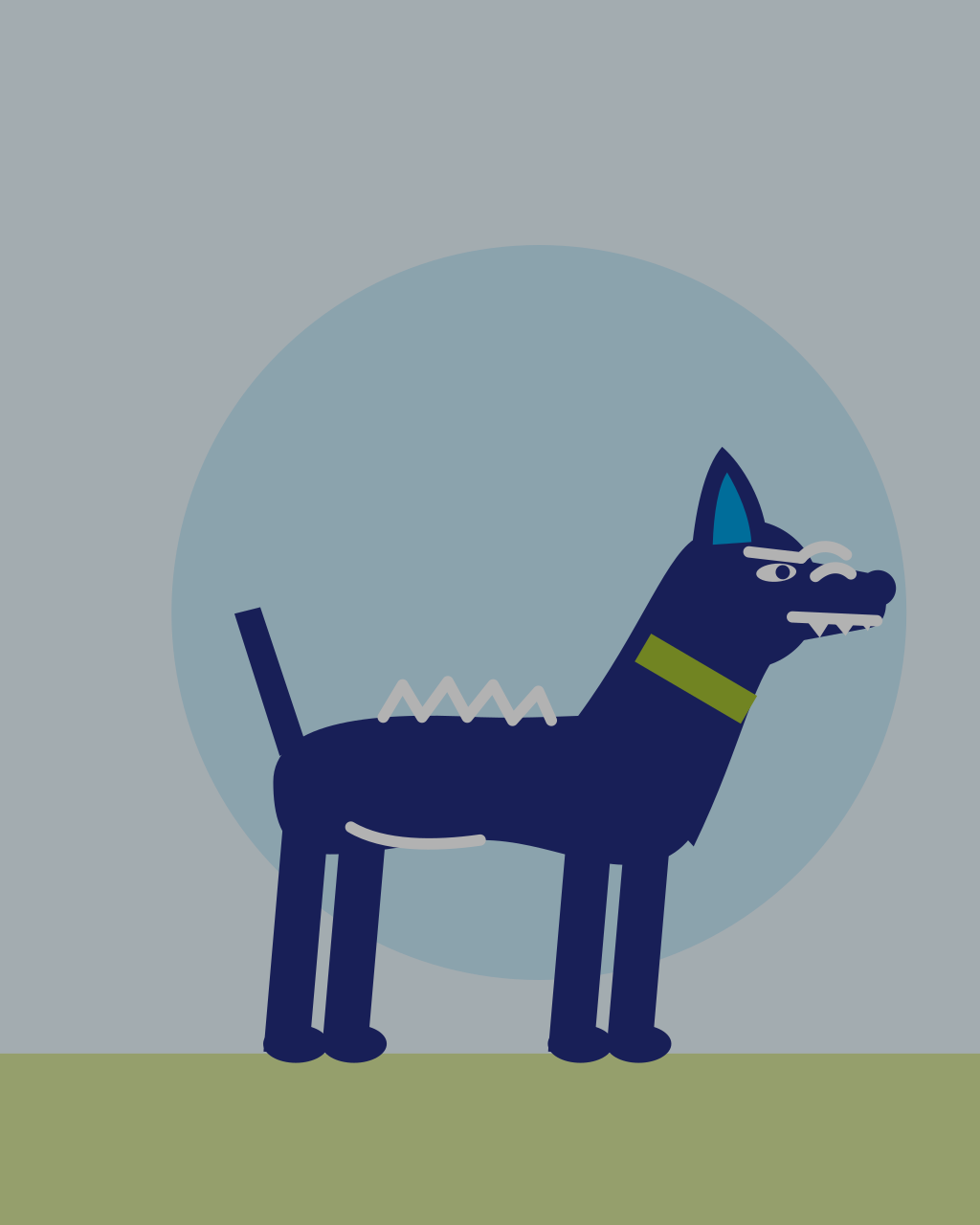
Growling, staring and showing its teeth.
When you see these signals, stop the contact, move the child away and let the dog go to a quiet place.
At the shelter and at school
At the shelter, minors may only enter with an adult, and we approach animals only together with a member of staff (Visiting rules). We also run sessions for schools and groups on safe contact with dogs and cats (Sessions for schools and groups).